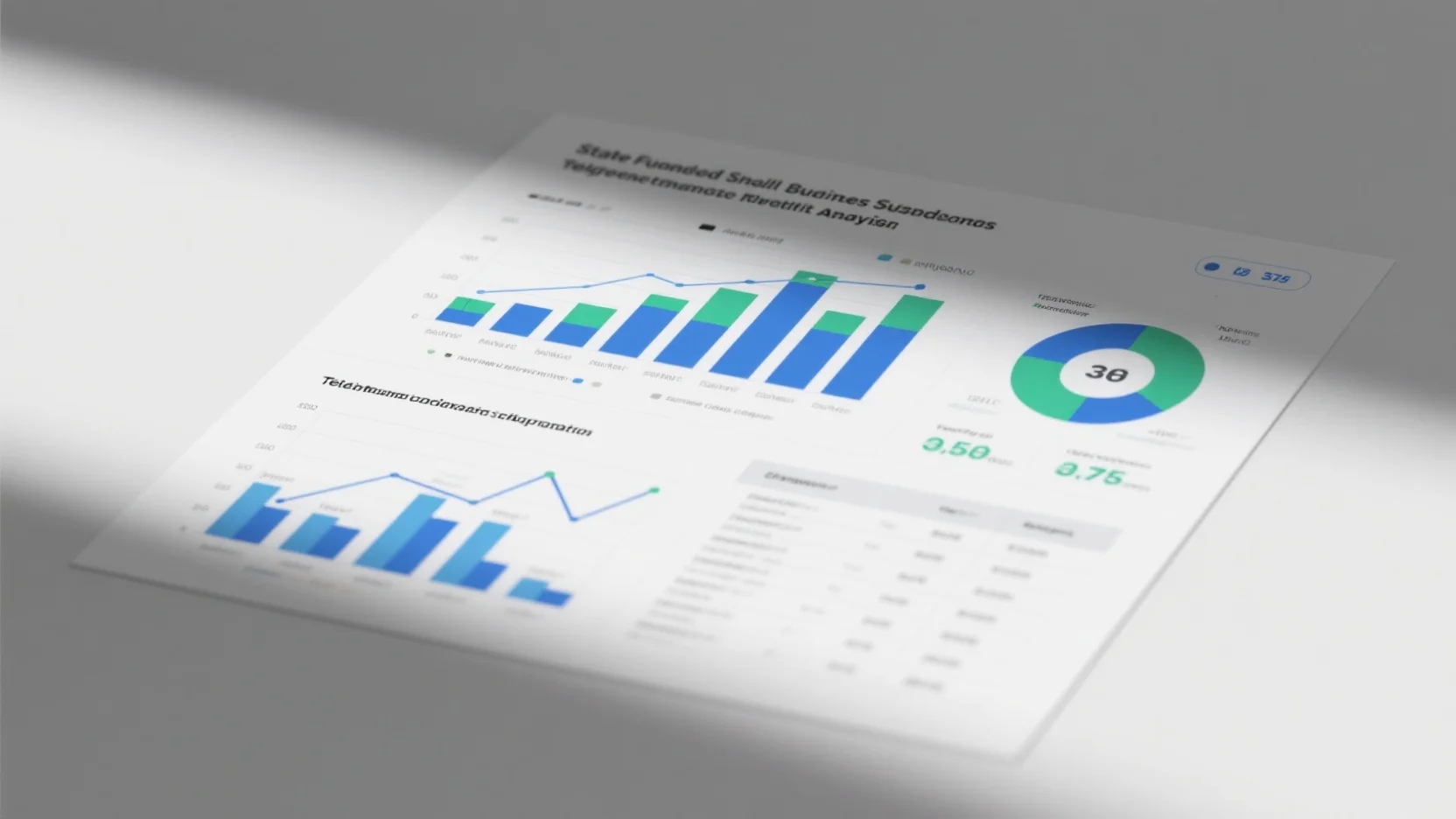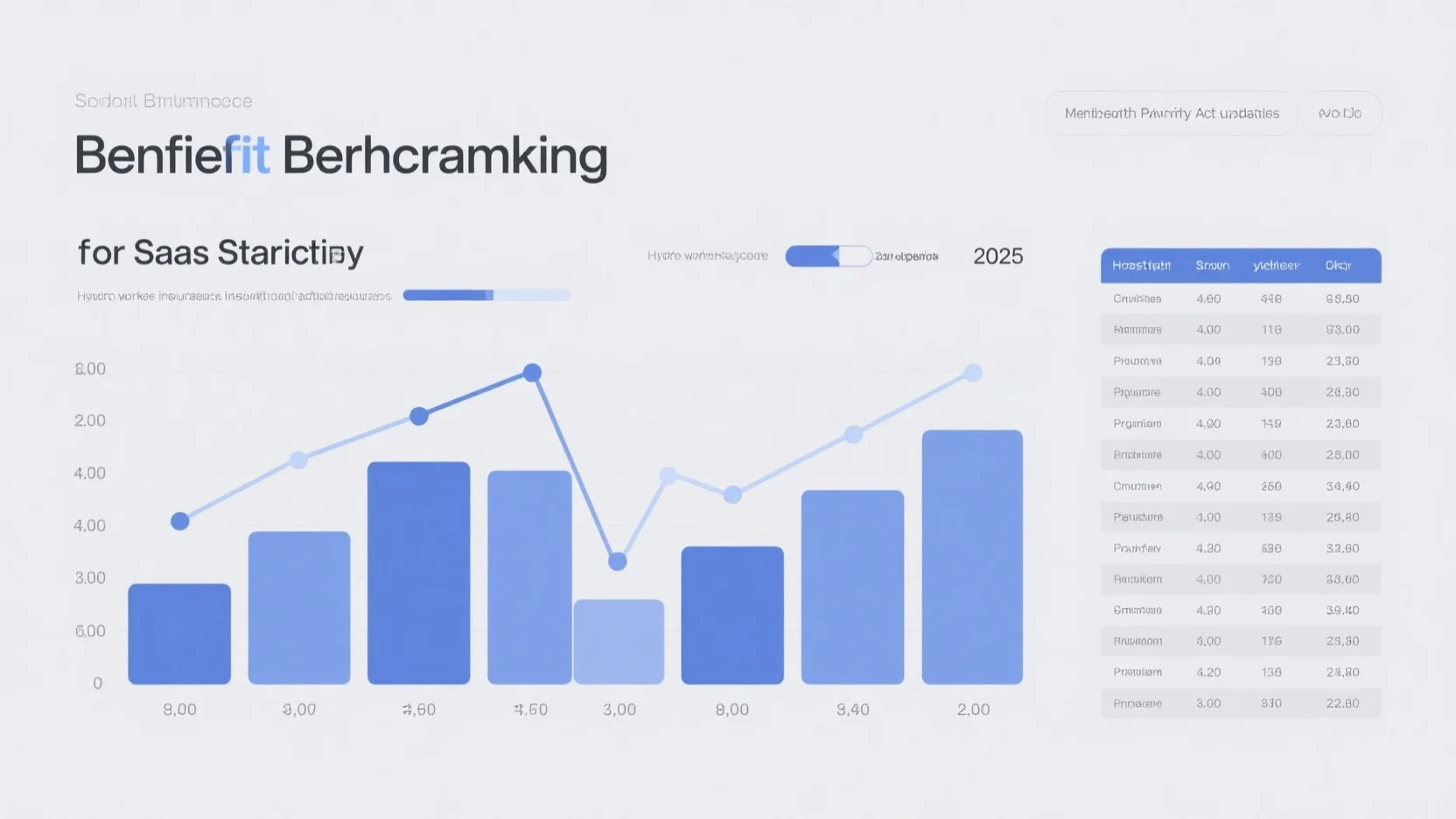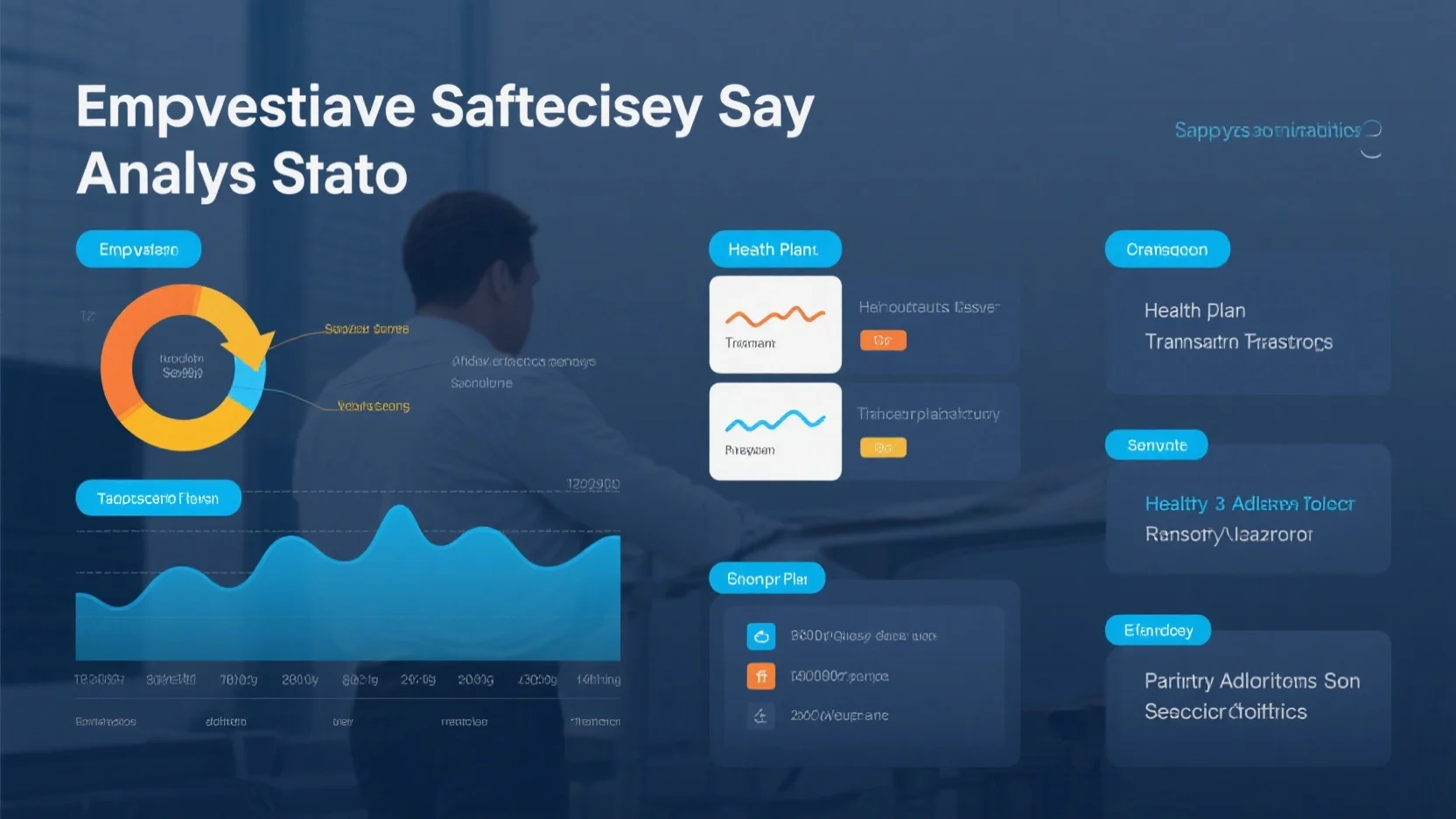
Your company’s HR team just distributed the aggregated results of its annual employee benefits satisfaction survey, and you’re either a people operations lead sorting through feedback to adjust next year’s plan offerings, or an employee wondering how your individual feedback aligns with broader team priorities. Many people skim these surveys for top-line satisfaction scores without digging into nuanced feedback that can drive tangible changes to benefits like health insurance, paid time off, and wellness stipends. This guide walks you through how to interpret key sections of the survey, avoid common misinterpretations, and use results to make informed benefits decisions.
Direct answer
Most employee benefits satisfaction surveys include three core components: quantitative rating scales for individual benefits, demographic segmentation of responses, and open-ended qualitative feedback. Reading the survey effectively requires cross-referencing all three components, rather than relying solely on the top-line overall satisfaction score that is often shared in company-wide updates.
Use the following worksheet to track and interpret survey data as you review results, to avoid overprioritizing outlier feedback or missing gaps that impact large segments of the workforce:
Survey Interpretation Worksheet
Fill out one row per data point as you review your survey results to flag gaps and priority action items.
| Survey Data Point | Action to Interpret | Your Notes |
|---|---|---|
| Overall aggregate benefits satisfaction score | Compare to prior year’s score to identify year-over-year improvements or declines | |
| Satisfaction score by individual benefit type (health, dental, vision, PTO, parental leave, wellness stipends, etc.) | Rank scores from lowest to highest to identify which benefits are performing best and worst | |
| Score segmented by employee tenure (0-1 year, 1-3 years, 3-10 years, 10+ years) | Note if scores are consistently lower for new hires, which may indicate gaps in benefits onboarding | |
| Score segmented by employment status (full-time, part-time, contingent, remote/hybrid/in-office) | Flag disparities between worker groups that may indicate unequal access to benefits | |
| Total survey response rate | Cross-reference with company headcount to confirm if the sample size is representative of your full workforce | |
| Response rate by employee segment | Note if certain groups (e.g., part-time staff) have disproportionately low response rates, which may mean their feedback is underrepresented | |
| Top 3 most frequently cited positive benefits | Cross-reference with utilization data (if available) to confirm if popular benefits are also widely used | |
| Top 3 most frequently cited benefits pain points | Count how many unique respondents referenced each pain point to separate isolated complaints from widespread concerns | |
| Open-ended feedback themes related to cost (premiums, deductibles, copays, out-of-network costs) | Group comments by cost type to identify which cost burden is most frequently cited | |
| Open-ended feedback themes related to access (in-network provider availability, claim processing times, PTO approval barriers, etc.) | Group comments by access type to identify administrative or network gaps |
Illustrative example: If you fill out the worksheet and find your overall satisfaction score dropped 0.7 points from last year, your lowest-ranked benefit is health insurance, and 72% of open-ended cost comments reference rising specialist copays, you can prioritize reviewing specialist cost sharing in your next carrier negotiation, rather than spending time adjusting less frequently cited benefits like wellness stipends.
Common questions
Why are there separate scores for “benefit value” and “benefit access”?
Value scores measure whether employees feel the benefit is worth the cost they pay to use it, including premiums, deductibles, or contributions taken out of their paycheck. Access scores measure whether employees can actually use the benefit as intended, including factors like in-network provider availability, fast claim processing, or minimal barriers to requesting paid time off. Low value scores usually indicate a need to review cost sharing terms, while low access scores usually indicate a need to adjust administrative processes or carrier networks.
What is a good response rate for these surveys?
There is no universal threshold for a “good” response rate, but response rates under 30% often mean results are skewed toward employees with very strong positive or negative opinions, rather than reflecting the views of your full workforce. If response rates are low, cross-reference survey results with other feedback channels like all-hands questions, one-on-one check-ins, or smaller focus groups to confirm takeaways are representative.
Can survey demographic breakdowns identify individual respondents?
Most standard employer survey tools automatically aggregate demographic data to avoid identifying individual respondents, so you will only see breakdowns for groups with enough respondents (usually 10 or more) to prevent singling out specific people. If you are unsure how your company’s survey tool handles demographic aggregation, ask your HR team for clarification.
Can I use survey results to negotiate better benefits for myself or my team?
Survey results that show widespread support for a specific benefit adjustment can help you make a case for changes that impact a large group of employees. Individual requests for custom benefits outside of standard plan offerings are subject to your company’s internal policies and eligibility rules, so confirm with HR before submitting a formal request.
What this page cannot settle
This page cannot tell you which benefits to cut, add, or adjust based on survey results alone, as changes may be limited by your company’s budget, state insurance regulations, existing carrier contract terms, or federal labor rules. It cannot help you interpret highly customized survey questions specific to your company’s unique benefits offerings, such as a niche professional development stipend only available to your team, as those require cross-reference with internal benefits policies. It cannot resolve disputes over whether individual survey feedback is “valid” or should be prioritized over broader aggregated results; those conversations follow your company’s internal feedback governance processes. It also cannot provide guidance on adjusting employee contribution rates for health plans, as those rates are tied to your specific carrier contracts and company benefits budget.
Next verification step
If you are a people operations lead using survey results to adjust next year’s benefits offerings, first verify all proposed changes against your official Summary of Benefits and Coverage (SBC) documents, existing carrier contracts, and state labor rules. Consult a licensed benefits broker before making any changes to health plan offerings, contribution rates, or eligibility requirements to ensure compliance with all applicable federal and state regulations.
If you are an individual employee reviewing survey results, note that survey feedback is preliminary, and no benefits changes are final until they are formally announced in official plan documents. If you see feedback referencing changes to a benefit you use, ask your HR team for a copy of the proposed updated SBC before open enrollment to confirm how changes may impact your out-of-pocket costs or access to care.
Bottom line
Employee benefits satisfaction surveys are a collaborative tool to align benefits offerings with employee needs, not a binding set of instructions for immediate changes. The interpretation worksheet helps you surface consistent, widespread feedback that impacts large groups of employees, while avoiding overreaction to isolated, outlier comments. Always cross-reference survey takeaways with official plan documents and licensed professional guidance before making or acting on benefits changes.
This content is for educational purposes only and is not insurance, tax, legal, or medical advice. Always verify all benefits details with your official plan documents and a licensed broker or appropriate regulatory resource.
Important note: This page is educational and is not insurance, tax, legal, or medical advice. Confirm current rules in your plan documents or with a licensed professional.